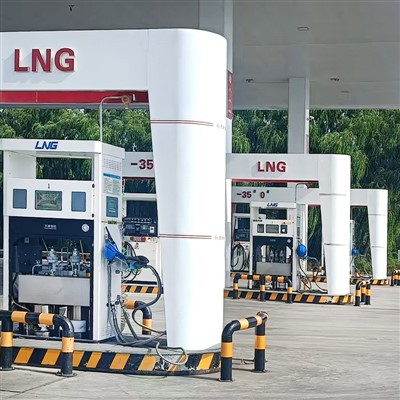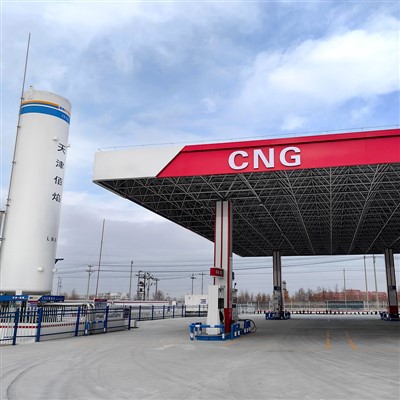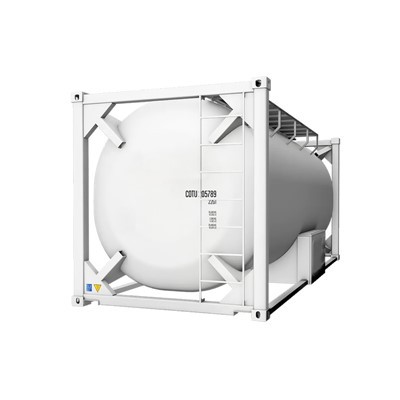

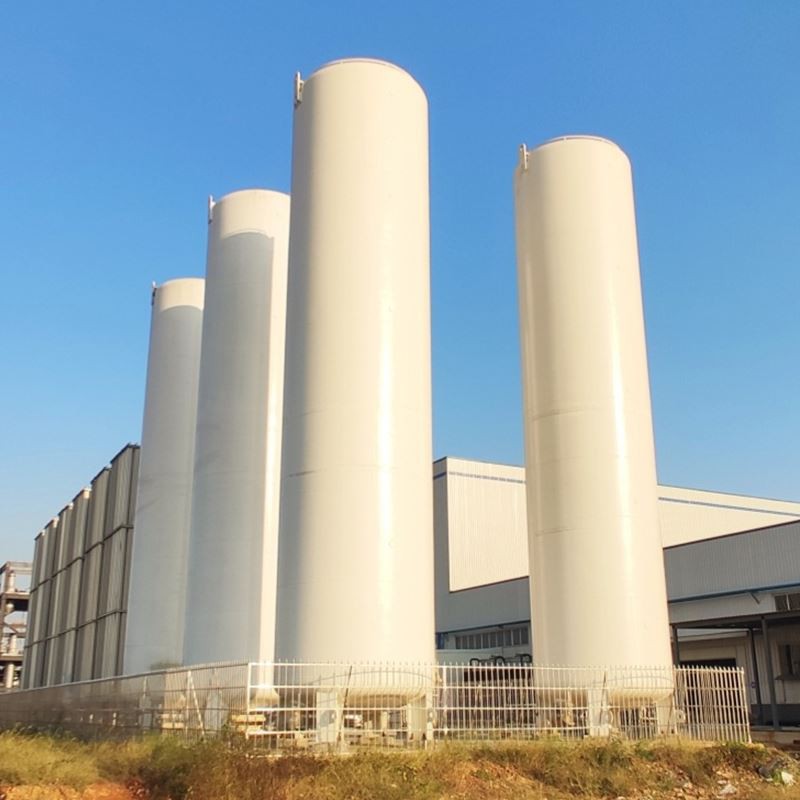
The Liquid Nitrogen Storage Tank is designed for the low-temperature storage and stable supply of liquid nitrogen (LN₂), suitable for use in air separation plants, chemical industries, electronics manufacturing, food freezing, and scientific research. The tank features a dual-layer cryogenic structure and a high-efficiency insulation system, ensuring the safe and sealed storage of liquid nitrogen and smooth vaporization, minimizing the impact of supply-demand fluctuations on system operation. The tank's volume, structural design, pressure and temperature specifications, material selection, and interface configuration can be customized based on operational conditions. It can also be equipped with monitoring interfaces for liquid level, pressure, and temperature. Manufacturing and testing are carried out in compliance with relevant standards and contractual requirements, ensuring long-term stable operation and successful project delivery in industrial gas systems.
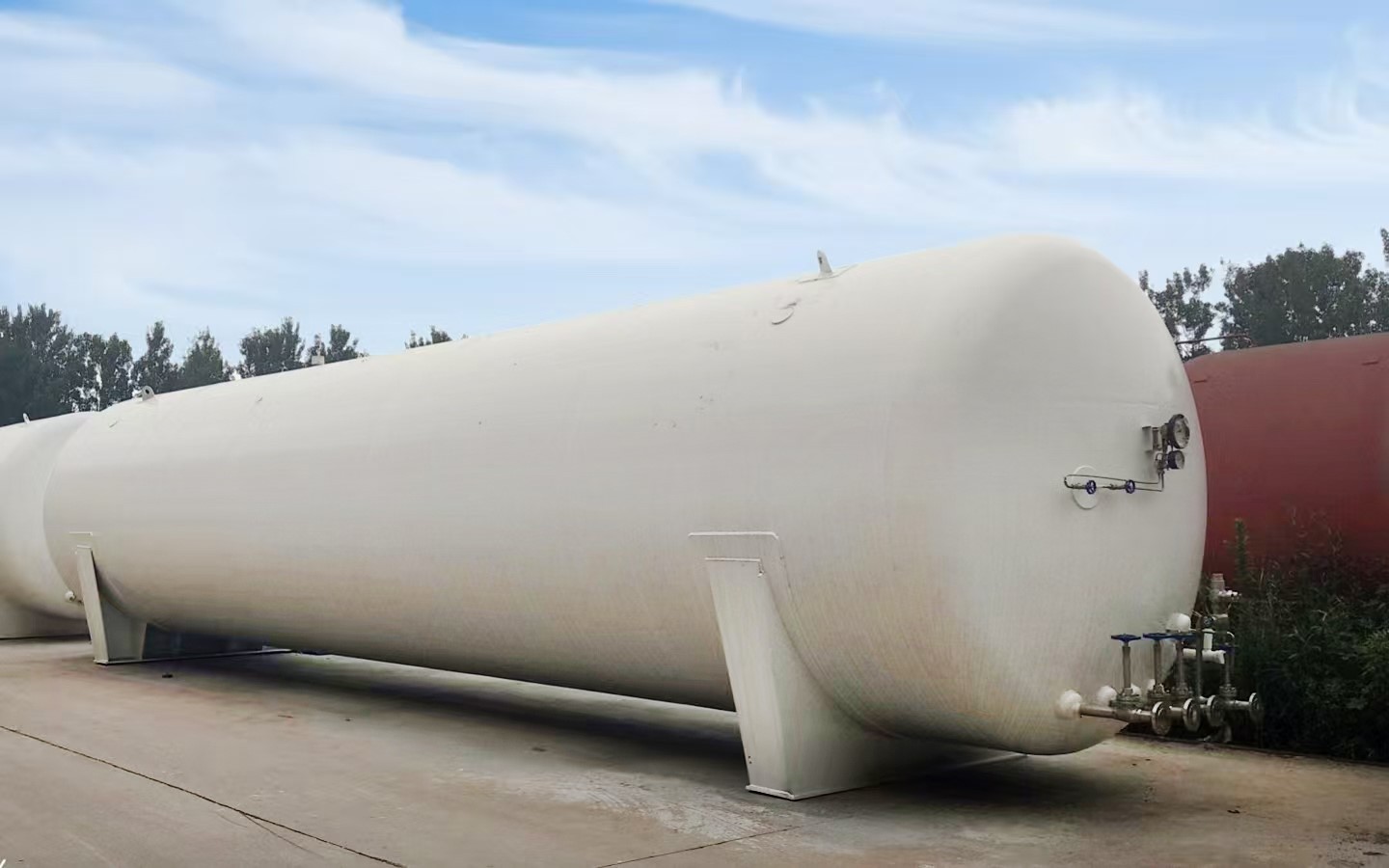

Liquid nitrogen storage tanks are used for the centralized storage, temporary storage, and stable supply of liquid nitrogen (LN₂) and are widely applied in air separation plants, chemical production, electronics and semiconductor manufacturing, food freezing, pharmaceuticals and bioengineering, metal heat treatment, scientific experiments, and various industrial processes that require a stable nitrogen supply or low-temperature cooling source. During actual searches, users often use terms such as "liquid nitrogen storage tank," "cryogenic nitrogen storage tank," "liquid nitrogen cryogenic tank," and "liquid nitrogen storage vessel." Nitrogen is an inert gas that is non-flammable, non-explosive, and chemically stable. However, in liquid form, it needs to be stored in extremely low temperatures, exhibiting typical cryogenic properties. The primary function of the liquid nitrogen storage tank is to provide a safe and reliable low-temperature storage and buffering node between the liquid nitrogen production or receiving end and the downstream nitrogen-consuming system. This ensures long-term sealed storage, smooth vaporization, and stable gas supply while providing continuous and reliable cold-source support for processes requiring low temperatures.
In practical systems, liquid nitrogen is typically sourced from air separation units or purchased from tanker trucks, then transported via cryogenic pipelines to storage tanks. The nitrogen is subsequently vaporized and supplied to downstream systems. Downstream nitrogen demand often fluctuates based on production schedules, equipment start/stop cycles, process changes, and protective gas requirements. Without proper buffering storage, vaporization system loads may fluctuate frequently, leading to unstable supply pressures or interruptions in nitrogen supply. By installing a liquid nitrogen storage tank, an effective buffer is formed between supply and demand: when upstream supply is ample, excess liquid nitrogen is stored; when downstream demand increases or upstream supply is temporarily interrupted, stored nitrogen is vaporized and supplied, achieving peak shaving and valley filling, and stabilizing system operation. The role of the liquid nitrogen storage tank is especially critical in systems where continuous nitrogen supply is essential, such as in inerting protection, sealing, and precision manufacturing environments.
Although liquid nitrogen storage does not present a fire risk, attention must still be given to cryogenic safety and asphyxiation risks. Due to its extremely low temperature, leakage may cause equipment material embrittlement or personnel frostbite. Additionally, rapid vaporization of large quantities of liquid nitrogen may displace air in confined spaces, lowering oxygen levels and creating an asphyxiation hazard. Therefore, when designing and placing the liquid nitrogen storage tank, it is essential to consider cryogenic protection, ventilation conditions, and safety distance requirements. During operation, the tank will experience pressure fluctuations due to environmental temperature changes, inlet/outlet operations, and vaporization load variations. Therefore, the tank must have stable pressure-bearing capacity and reliable pressure control and safety protection mechanisms. By configuring monitoring tools for pressure, temperature, and liquid level, and integrating them with alarm and interlock systems, real-time monitoring of the system's operational status can be achieved, enhancing control and operational safety.
In terms of structural design and installation, liquid nitrogen storage tanks are typically vertical cryogenic storage tanks with a double-layer design. The inner tank stores cryogenic liquid nitrogen, while the outer tank provides insulation and safety protection. The space between the two layers is filled with vacuum or high-efficiency insulation material to minimize heat transfer and reduce nitrogen evaporation losses. Depending on storage capacity and site conditions, horizontal designs may also be used. Common interfaces include liquid inlet, liquid outlet, gas-phase outlet, return/vent outlet (depending on design), drain outlet, vent outlet, and necessary sample and maintenance ports. Instrumentation interfaces can be equipped with liquid level gauges, pressure gauges, and temperature measurement points for operational monitoring and interlock control. Proper positioning of interfaces and pipeline support design helps reduce thermal stress concentration and the effects of thermal expansion and contraction, enhancing long-term operational reliability and ease of maintenance.
Equipment Name: Liquid Nitrogen Storage Tank
Working Medium: Liquid Nitrogen (LN₂)
Volume: Customized based on storage and nitrogen supply requirements
Structure: Vertical/Horizontal Cryogenic Tank (commonly double-layer design)
Design Pressure: Customized according to system requirements
Design Temperature: Cryogenic conditions (customized based on system needs)
Material: Cryogenic materials (customized based on project requirements)
Insulation Method: Vacuum insulation/high-efficiency insulation materials
Interface Configuration: Liquid inlet, liquid outlet, gas-phase outlet, return/vent outlet (customized), drain outlet, vent outlet, sample port
Instrumentation Interfaces: Liquid level/pressure/temperature interfaces (customized according to monitoring and interlock needs)
Manufacturing & Inspection: Conducted according to relevant standards and contractual technical specifications
Supply Scope (As per Contract):
Liquid Nitrogen Storage Tank body, inner and outer tank structures, nozzle connections and flanges, supports, lifting accessories, etc.
Valve group, instruments, and related accessories as per contract and drawings.
Factory Documentation (As per Contract):
Product qualification documents, material certificates, inspection/test records, non-destructive testing reports, factory list, and packing list.
Transport & Packaging Protection:
All interfaces will be sealed before leaving the factory. During transportation, special protection will be applied to the insulation layer and cryogenic interfaces to prevent rain, dust, and impact.
Installation & Technical Support:
Provide recommendations on foundation conditions and interface connections, assist in onsite installation, positioning, connection, and pre-commissioning inspections.
Hot Tags: large liquid nitrogen storage tank, China large liquid nitrogen storage tank manufacturers, suppliers, factory