



LNG Fueling Station Overview

Liquefied Natural Gas (LNG) is produced by purifying natural gas to remove impurities such as carbon dioxide (CO₂), sulfur compounds, heavy hydrocarbons, and moisture, then cooling it under normal atmospheric pressure to an ultra-low cryogenic temperature of -162°C (-260°F). This process transforms natural gas from a gaseous state into a liquid form known as liquefied natural gas.
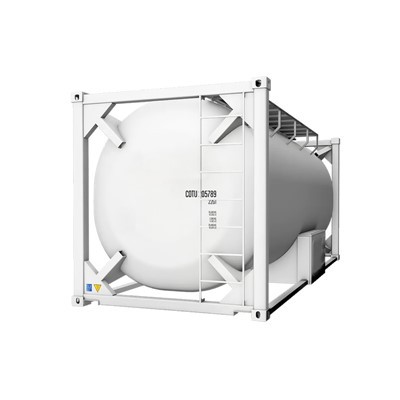
After liquefaction, the volume of natural gas is reduced to approximately 1/620 of its original gaseous volume, significantly improving storage and transportation efficiency. The density of LNG is about 45% of the same volume of water, making it an efficient and practical clean energy fuel for modern LNG fueling stations and LNG transportation systems.
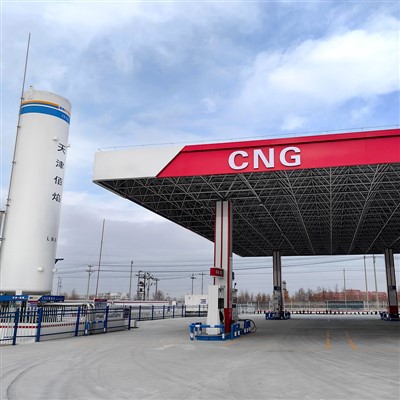
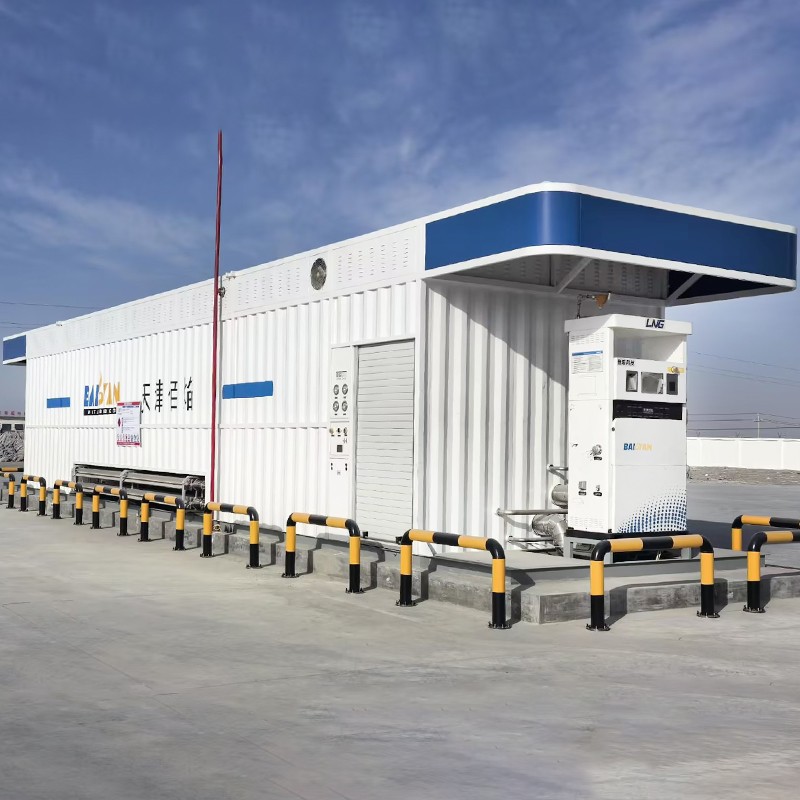
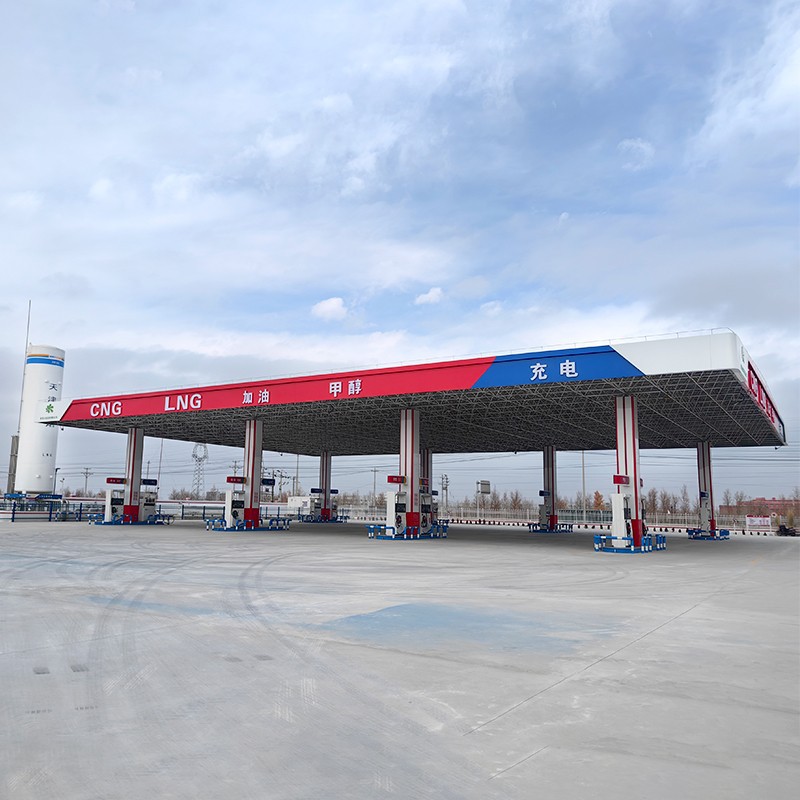
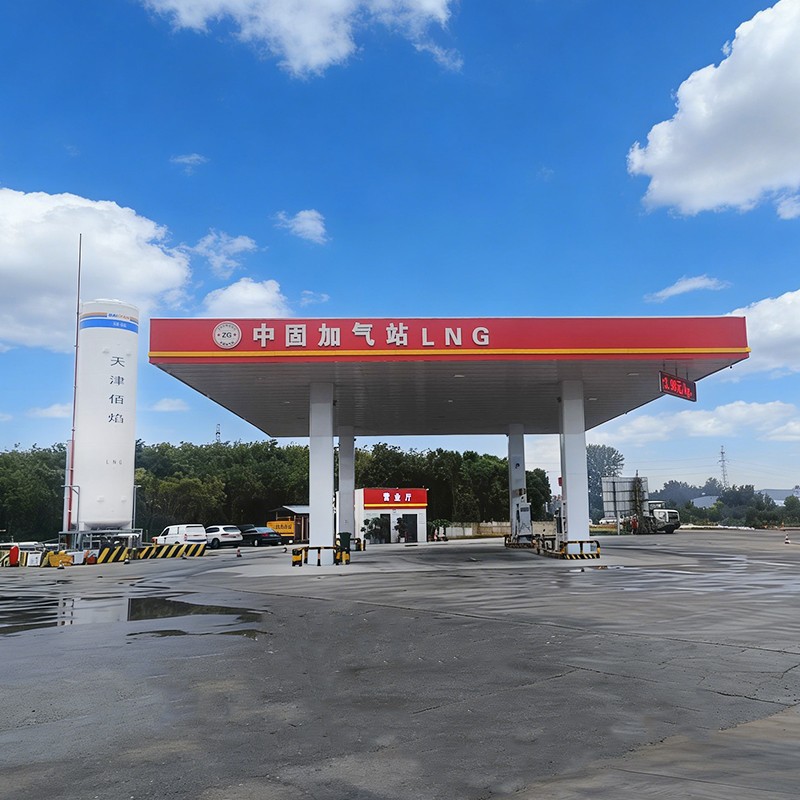
An LNG fueling station (also called an LNG refueling station or liquefied natural gas station) is a specialized facility designed to supply LNG to LNG-powered vehicles, including heavy-duty trucks, buses, marine vessels, and power generation equipment. Due to its high energy density, low emissions, and environmental advantages, LNG is widely adopted as an alternative fuel across transportation and industrial sectors.
High Efficiency Refueling
Compared with conventional fuel stations, LNG refueling stations offer fast fueling speed and high flow capacity, allowing vehicles to complete refueling within just a few minutes. This efficiency is significantly faster than electric vehicle charging and ensures smooth operation for commercial fleets and long-haul transportation.

Advanced Safety Systems

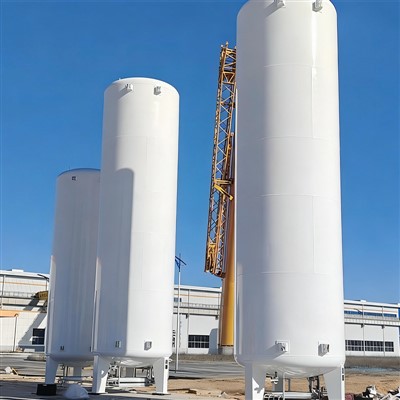
Modern LNG fueling station infrastructure is designed with multiple safety protections, including cryogenic LNG storage tanks, high-pressure pipelines, explosion-proof equipment, emergency shut-off systems, and real-time gas leak detection technology. LNG remains stable in its liquid state under controlled conditions, providing a higher level of operational safety compared with traditional fuel stations.
Environmentally Friendly Energy Solution
As a clean-burning fuel, liquefied natural gas produces almost no sulfur oxides (SOx) or particulate matter (PM) during combustion. LNG significantly reduces greenhouse gas emissions and improves air quality, making LNG fueling stations an essential part of the global transition toward low-carbon and sustainable energy solutions.
Strong Future Development Potential
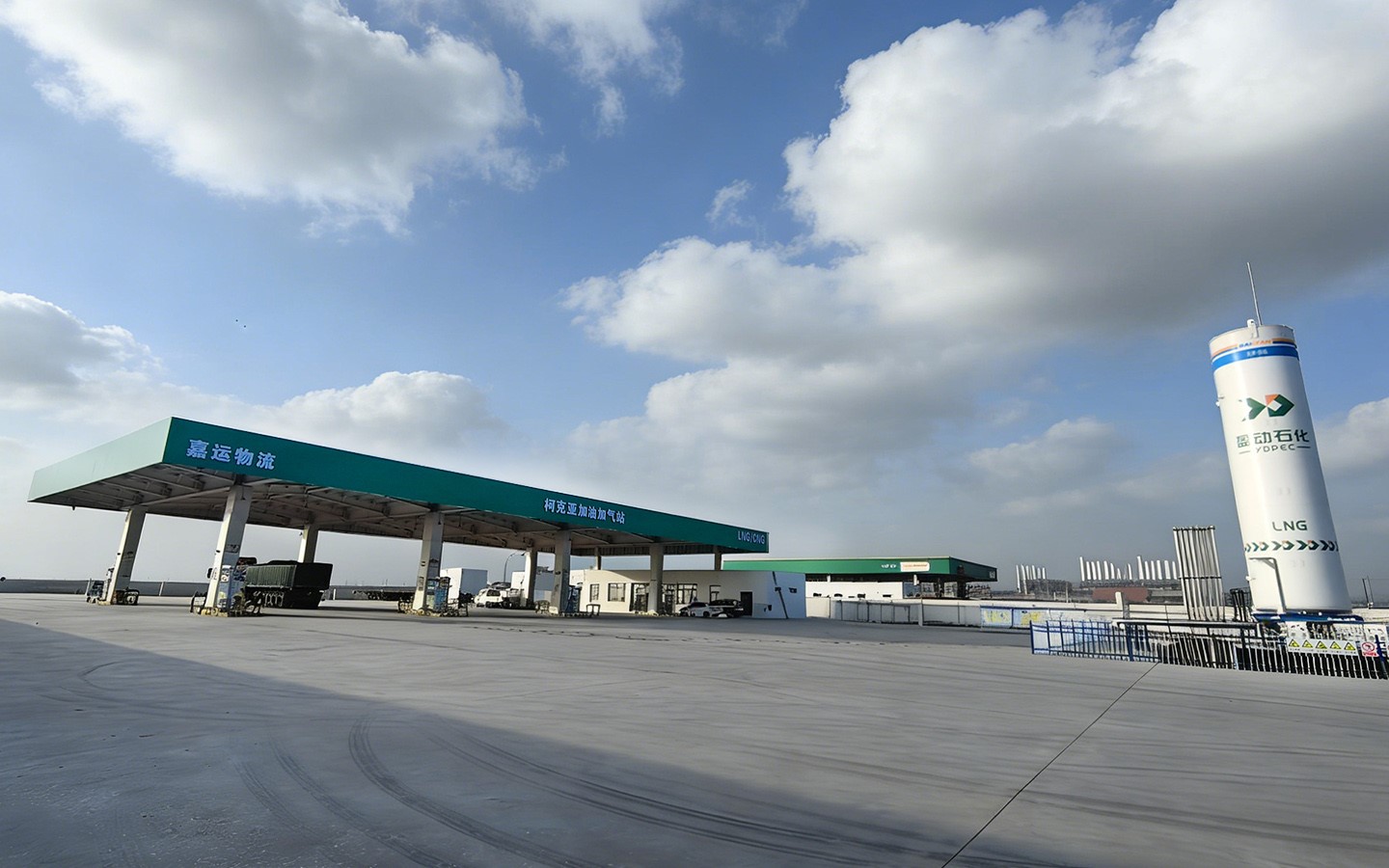
With continuous advancements in LNG fueling equipment, cryogenic technology, and LNG supply chain infrastructure, LNG fueling stations are expected to expand rapidly worldwide. Improved refueling networks and smarter station systems will further promote LNG as a reliable alternative to diesel and gasoline fuels.
Conclusion
As a key component of modern clean energy infrastructure, LNG fueling stations provide a high-efficiency, safe, and environmentally friendly refueling solution. They play a vital role in accelerating the adoption of liquefied natural gas as a clean transportation fuel. With ongoing technological innovation, LNG fueling stations will become increasingly widespread, offering convenient and sustainable energy support for global transportation and industry.
Hot Tags: lng refueling station, China lng refueling station manufacturers, suppliers, factory