



LNG Fueling Station Control System
Introduction
The LNG fueling station control system serves as the core automation and safety control center of the station. It provides centralized monitoring and interlocked control for the entire LNG process, including unloading, storage, pressurization, vaporization, fueling, and venting, ensuring safe, intelligent, and efficient operation.
The system is typically based on a PLC + HMI + SCADA architecture, enabling real-time monitoring and automatic control of key parameters such as pressure, level, temperature, flow rate, valves, pumps, and dispensers. It can be seamlessly integrated with station management systems, IC card systems, payment systems, and cloud platforms, supporting unattended or semi-unattended operation.
The LNG fueling station control system is functionally divided into two main parts.
The first part is the LNG dispenser control system, designed using advanced microcomputer integrated circuit technology. Its primary functions include completing the LNG refueling process for vehicle-mounted LNG cylinders, accurately measuring, displaying, and settling the fueling volume. The system is capable of real-time display of key operating parameters such as flow rate, pressure, and cumulative volume. It also communicates with the station PLC control system to manage the operation of the cryogenic submerged pump during the fueling process.

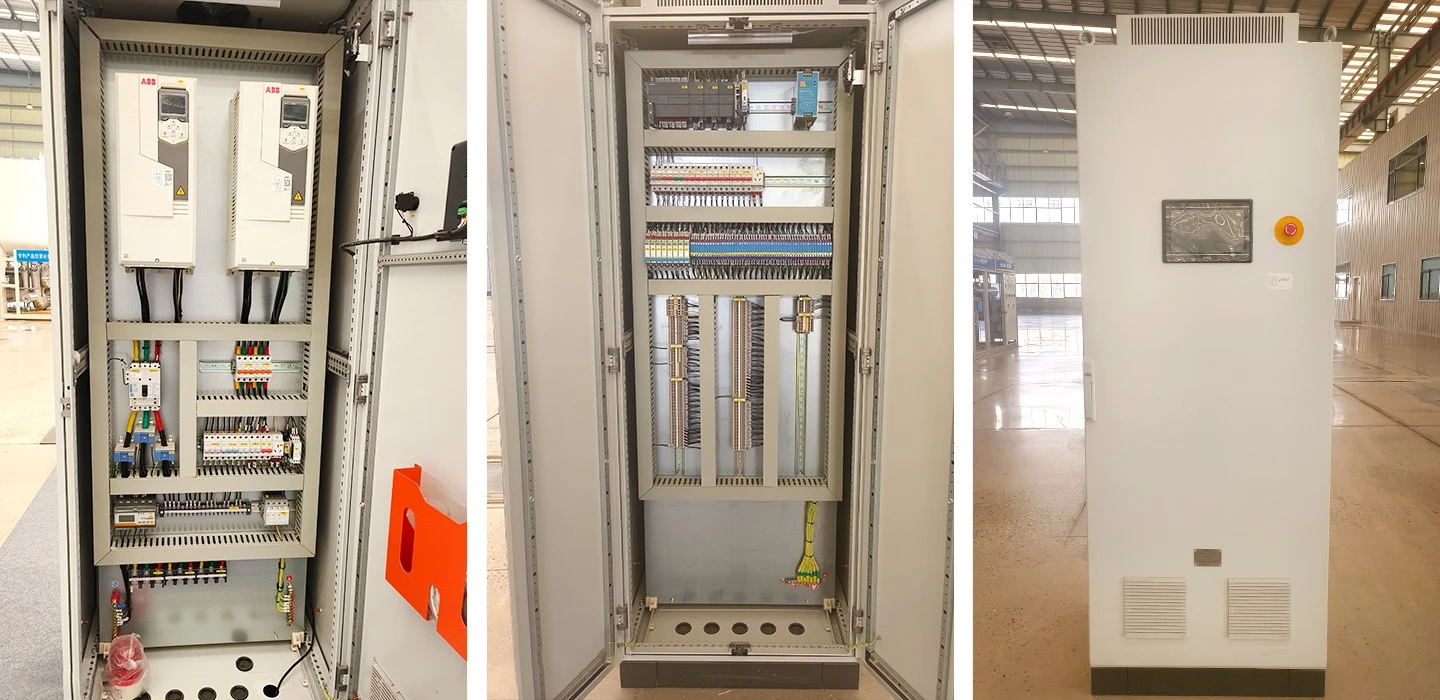
The second part consists of the PLC automation control system and upper-level monitoring computer (SCADA system). This system is mainly responsible for selecting and managing different station operating modes, including LNG unloading, vehicle refueling, pressure regulation, and standby operation. It continuously monitors pressure, liquid level, and temperature throughout the LNG fueling station in real time, and is equipped with functions such as leak detection alarms, fault diagnosis, and automatic safety protection.
Although these two control subsystems operate independently with distinct functions, they are closely integrated and indispensable to each other. Together, they form a highly automated and intelligent LNG refueling station automation system, delivering enhanced safety, efficiency, and environmental performance.
LNG Fueling Station Control System
Automatic Process Control
Automatic interlocked control of the entire process, including unloading, storage, pressurization, vaporization, and fueling.
Real-Time Data Monitoring
Real-time display and recording of pressure, level, temperature, and flow parameters
Multi-Level Safety Interlock Protection
Functions including over-pressure, over-level, over-temperature, leakage detection, and emergency shutdown
Alarm & Event Management
Audible and visual alarms, historical data storage, and fault traceability
Remote Monitoring & Maintenance
Supports remote monitoring, remote diagnostics, and remote system maintenance
Fueling & Operation Data Management
Integration with dispensers, IC card systems, and payment systems for automatic billing and statistics
Energy Consumption & Reporting
Automatic generation of operation reports, fueling statistics, and energy consumption analysis
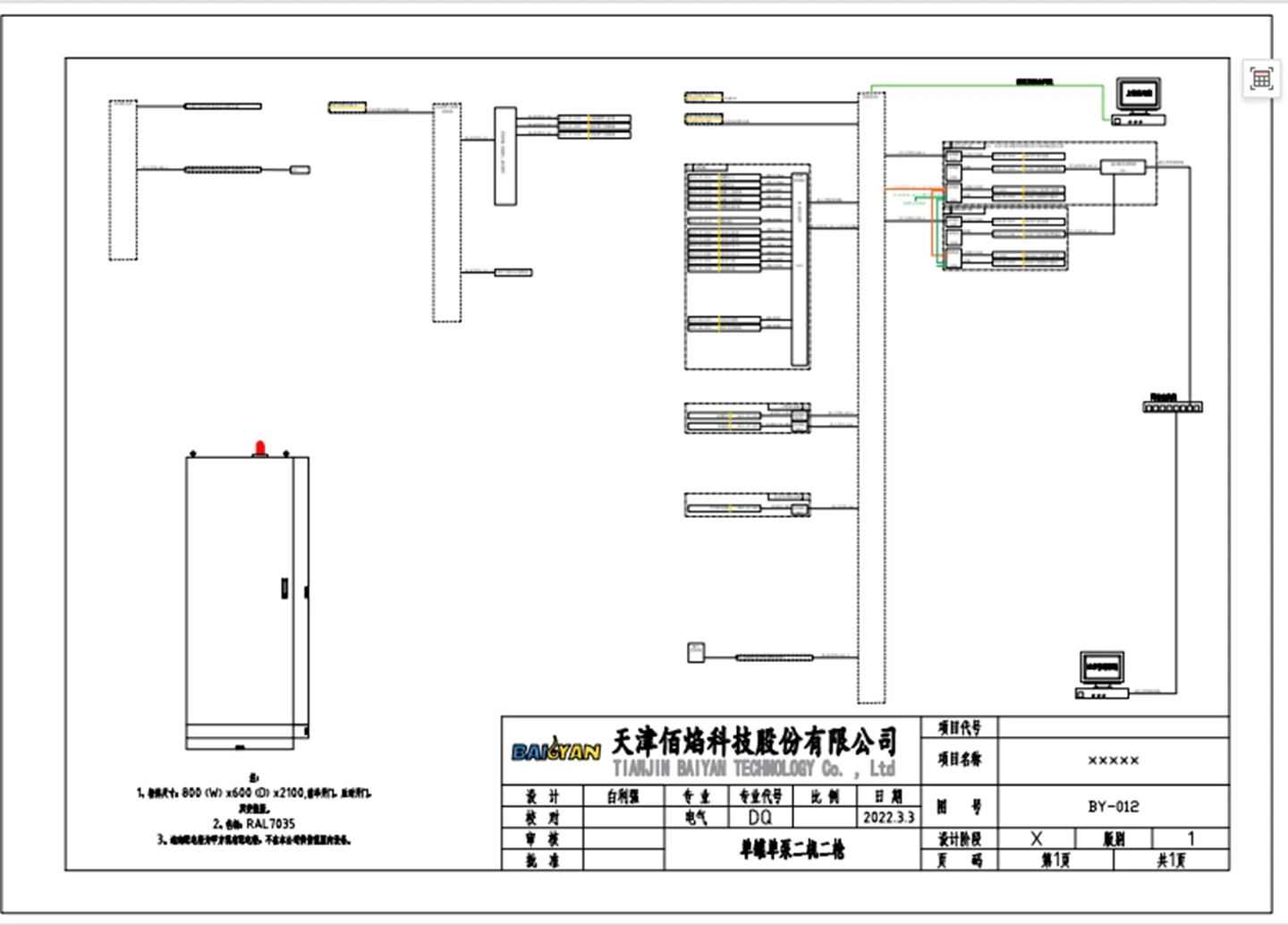
The control station PLC system adopts the Siemens from the United States, with the main controller equipped with a high-performance processor.
The control system is primarily responsible for data acquisition and monitoring of on-site equipment. All I/O modules are installed inside the control cabinet and are used to connect field transmitters and actuators.
The system I/O modules transmit the operating status of field devices to the main controller via dedicated cables. The main controller processes the data and simultaneously receives control commands from the control station to drive the corresponding field actuators.
The I/O modules are configured according to actual user requirements, with 20% spare capacity reserved for future expansion.
Technical Parameters
|
Power Supply |
AC 380V / AC 220V / 50 Hz |
|
Power Rating |
20 kW – 90 kW |
|
Dimensions H*W*D mm |
2100*800*600 |
|
Communication Protocols |
PROFINET, MODBUS RTU, MODBUS TCP, etc. |
|
Expansion Function |
Communication with field device bus (field devices designed as remote I/O) |
|
Remote Service |
Capable of interfacing with third-party platforms for data transmission and uploading |
Hot Tags: electrical cabinet, China electrical cabinet manufacturers, suppliers, factory, LNG Station Management System, Measurement And Control System, Single Pump Systerm, Point Of Sale SystemPOS System, Skid Mounted Containerized Station, Containerized Integrated Station


